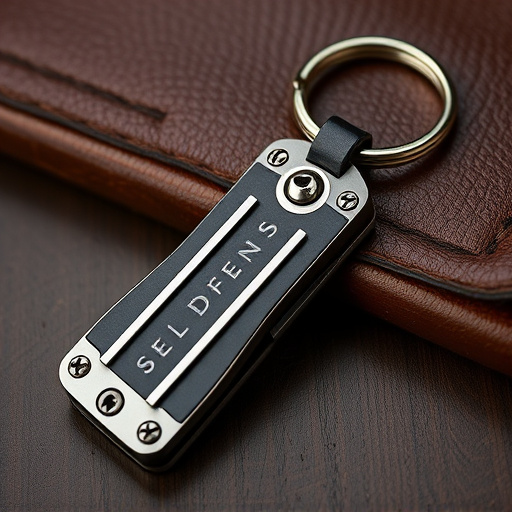
In today's world, understanding local laws regarding the Prohibited Keychain Weapons List is crucial for exercising self-defense rights without legal repercussions. Jurisdictions differ in their regulations, prohibiting items with sharp blades, combat-oriented devices, and tools capable of causing significant harm. Choosing the right self-defense tool from this list depends on portability, ease of use, and required force levels. Understanding your surroundings and potential threats is key to selecting a safe yet effective solution.
“Uncover the power of self-defense at your fingertips with legal keychain weapons. In an age where personal safety is paramount, understanding the legal boundaries and choosing the right tool is crucial. This comprehensive guide explores the world of keychain self-defense devices, shedding light on prohibited keychain weapon types and their regulations.
From understanding legal frameworks to selecting the ideal self-defense tool for your needs, this article equips you with knowledge. Discover the key aspects to consider, including a detailed list of prohibited keychain weapons, ensuring you remain informed and prepared.”
- Understanding Legal Self-Defense Keychain Weapons
- Prohibited Keychain Weapon Types and Their Regulations
- Choosing the Right Self-Defense Tool for Your Needs
Understanding Legal Self-Defense Keychain Weapons
In today’s world, knowing how to protect oneself legally is an important consideration, especially with the availability of compact self-defense tools like keychain weapons. These small, often concealable devices are designed for personal safety and can be a legal option for individuals looking to deter potential threats. However, understanding what constitutes a legal self-defense keychain weapon varies by jurisdiction, making it crucial to research local laws and regulations before acquiring one.
The prohibited keychain weapons list varies across regions, with some areas banning all forms of self-defense tools, while others permit specific types under certain conditions. Keychain weapons typically fall into categories like knives, pepper spray, or stun guns. Each type has its own set of legal parameters regarding length, capacity, and use. For instance, while a small knife might be permissible for self-defense, larger blades could be restricted. Similarly, pepper spray is generally legal but often has limits on quantity and concentration. Staying informed about these details ensures individuals can exercise their right to self-defense without crossing legal boundaries.
Prohibited Keychain Weapon Types and Their Regulations
In many jurisdictions, certain types of keychain weapons are considered illegal and fall under specific regulations due to their potential for misuse or danger. The list of prohibited keychain weapons includes those with sharp blades, such as knife-like devices with fixed or moving blades, and any objects designed or modified for combat or offensive purposes. These restrictions aim to ensure public safety by preventing the carrying of potentially harmful tools in a compact form factor.
The regulations vary across regions, but generally, any keychain weapon that could inflict serious injury or be used as a striking or cutting tool is off-limits. This includes devices with serrated edges, straight or curved blades, and objects that can cause significant harm when wielded, even if they’re meant for self-defense. It’s crucial to understand the local laws regarding prohibited keychain weapons list before considering any such device as a personal defense option.
Choosing the Right Self-Defense Tool for Your Needs
Choosing the right self-defense tool is a crucial step in ensuring your safety and peace of mind, especially when considering a keychain weapon. It’s important to understand that not all keychain-sized tools are created equal, and what works for one situation might not be suitable for another. When selecting a self-defense option from the prohibited keychain weapons list, consider factors such as ease of use, portability, and the level of force required to deter or escape an attack.
For instance, while some keychains offer sharp blades or spikes designed for quick protection, these may be more suited for outdoor adventures or personal defense against wildlife rather than street encounters. On the other hand, non-lethal options like pepper spray or tactical flashlights can provide a safer yet effective response in closer quarters. Understanding your surroundings and potential threats will guide you in choosing a tool that aligns with your specific needs, ensuring you’re prepared for any situation.
When considering a legal self-defense keychain weapon, it’s crucial to understand both the permitted and prohibited types as defined by local regulations. While these compact tools offer a sense of security, choosing the right one requires matching it to your specific needs and understanding potential legal constraints. Remember, always check your region’s list of prohibited keychain weapons before making a purchase.